5 Signs Your Transmission May Be Failing
5 Signs Your Transmission May Be Failing
Transmission problems don't always start with a vehicle that suddenly won't move. Often, there are warning signs long before a transmission completely fails.
Catching a problem early doesn't necessarily mean the transmission will need to be rebuilt or replaced. Some symptoms that feel like transmission problems can be caused by electrical issues, fluid leaks, engine performance problems, driveline components, or other systems on the vehicle.
That's why we believe in diagnosing the problem before recommending the repair.
Here are five signs that your transmission may need attention.
1. Slipping or an Increase in RPM
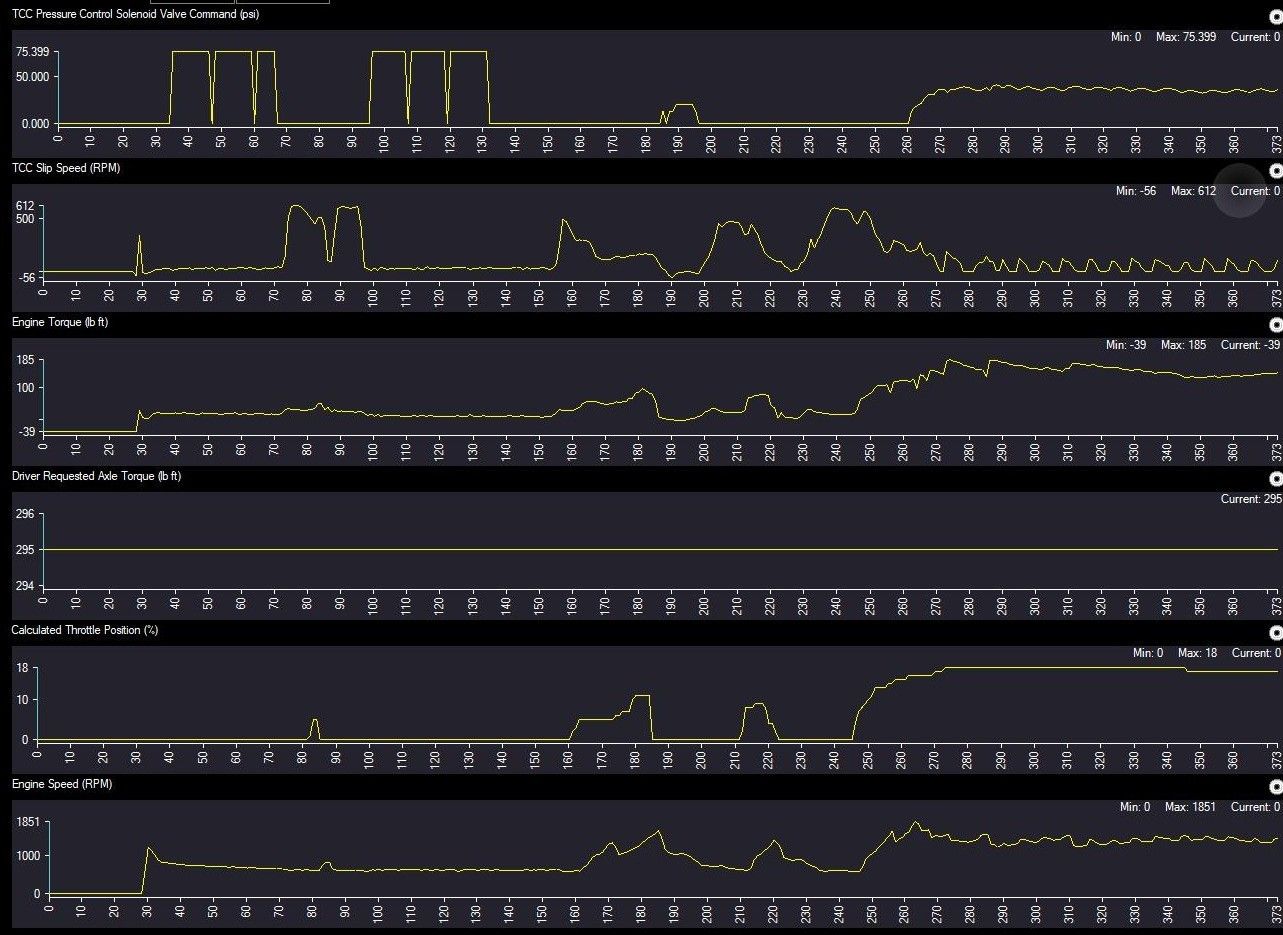
If the engine RPM suddenly increases without a matching increase in vehicle speed, the transmission may be slipping.
You might notice it while accelerating, climbing a hill, or during a shift. It may feel like the engine briefly revs without the vehicle accelerating the way it should.
Not every change in engine RPM means the transmission is slipping. Modern transmissions have complex shift strategies, and a commanded downshift or other normal operation can sometimes be mistaken for a problem.
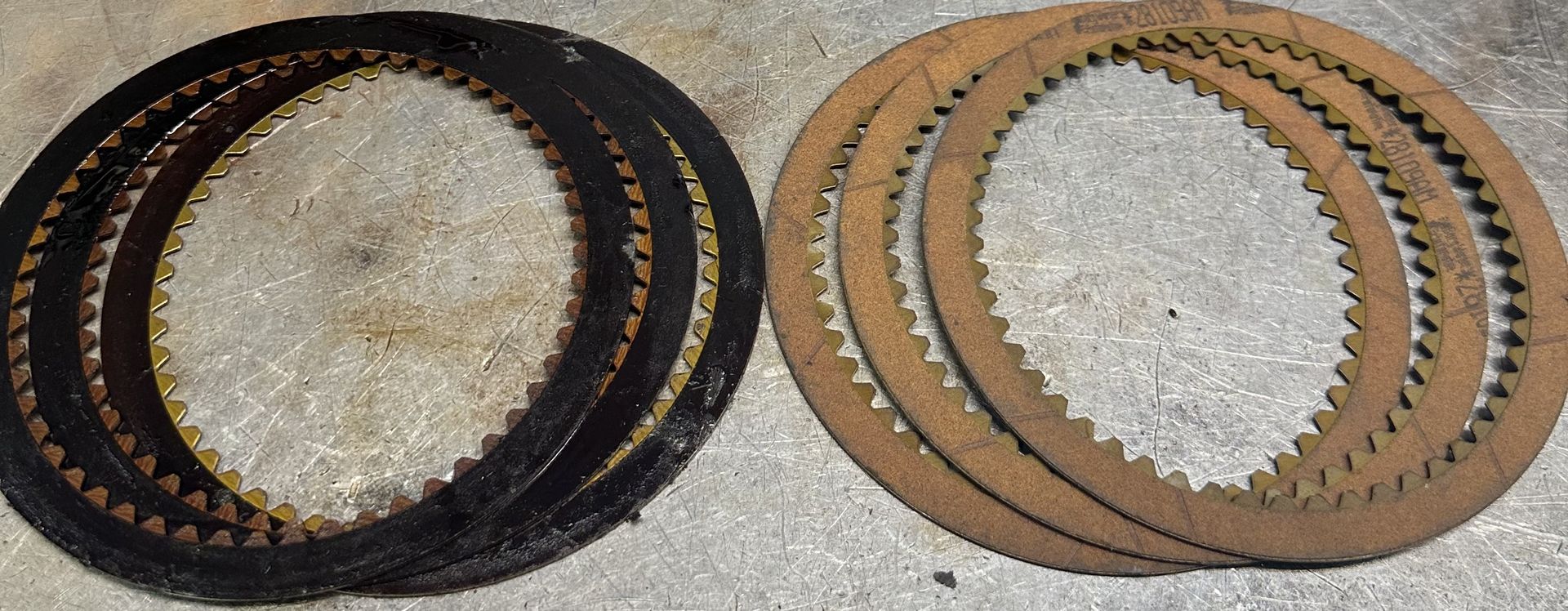
However, if the vehicle has developed a new or noticeable change in the way it accelerates or shifts, it's worth having it evaluated. Continuing to drive with actual transmission slip can cause additional internal damage.
2. Delayed Engagement Into Drive or Reverse
When you shift into Drive or Reverse, the vehicle should engage within a reasonable amount of time.
If there's a noticeable delay before the vehicle begins to move, or the engine has to be revved before the transmission engages, there may be a problem with the transmission, fluid level, hydraulic pressure, or another part of the system.
And checking the transmission fluid isn't always as simple as pulling out a dipstick.
Many newer vehicles don't have a traditional transmission dipstick. Checking the fluid level may require the vehicle to be level, the transmission to be within a specific temperature range, and a particular procedure to obtain an accurate reading.
Using the correct transmission fluid for the application is also important. Different transmissions require specific fluid types and specifications, and using the wrong fluid can affect shift quality and transmission operation.
If your vehicle has developed a delayed engagement, determining why it's happening is more important than simply adding fluid.
3. Shuddering, Harsh or Unusual Shifts
A transmission that suddenly begins operating differently deserves attention.
You may notice:
- A harsh or unusually firm shift
- A shudder or vibration during acceleration
- An unusually long shift
- The transmission hunting between gears
- A new vibration at a particular speed
One important thing to remember is that a vibration that feels like a transmission problem isn't always coming from the transmission.
Engine performance problems, axles, mounts, tires, driveline components and other issues can sometimes create symptoms that a driver interprets as a transmission shudder.
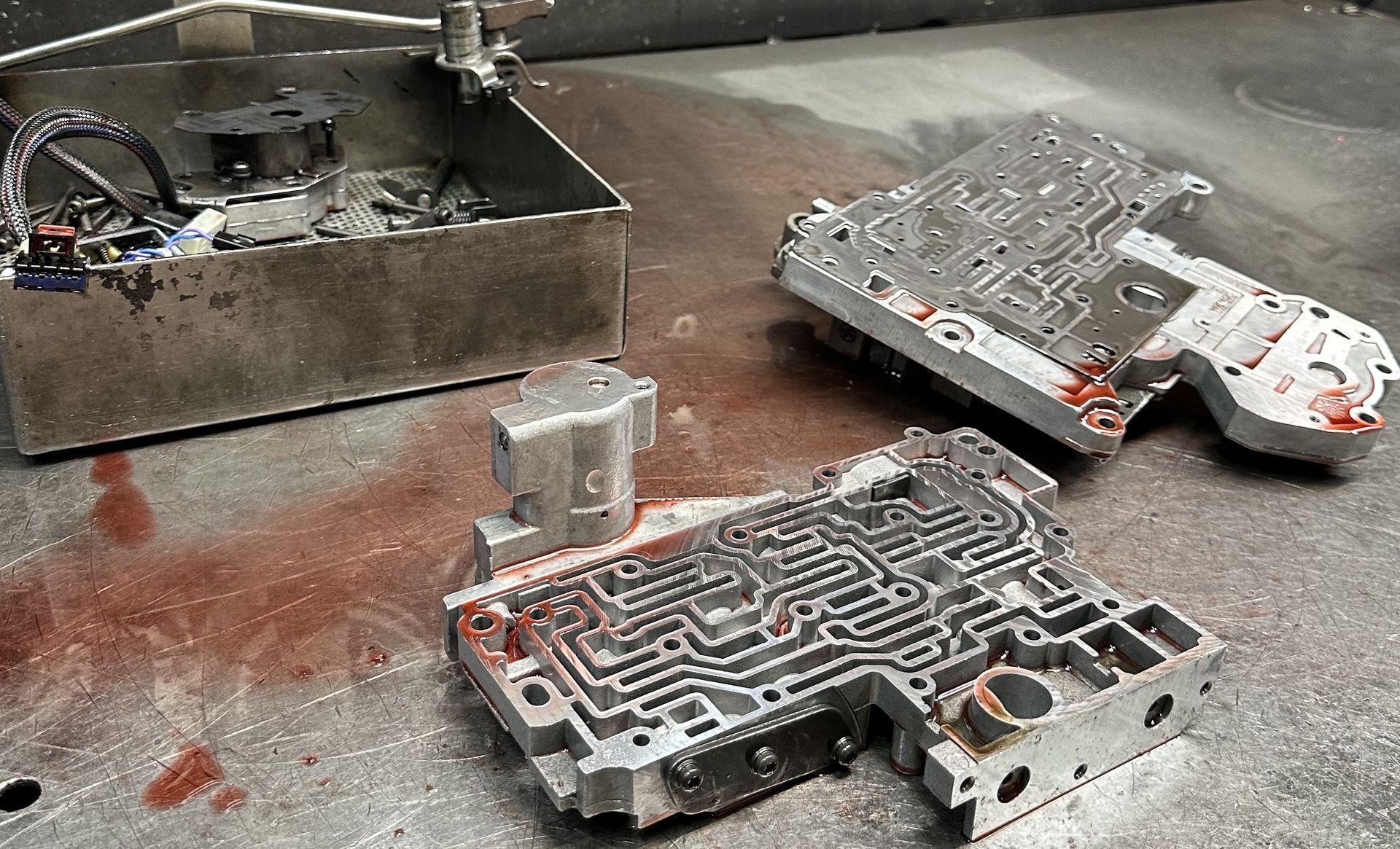
Modern transmissions also depend heavily on electronics, sensors, computer controls and proper engine operation.
This is one reason we don't recommend replacing transmission parts based on a symptom alone.
4. Transmission Fluid Leaks
Transmission fluid shouldn't routinely disappear.
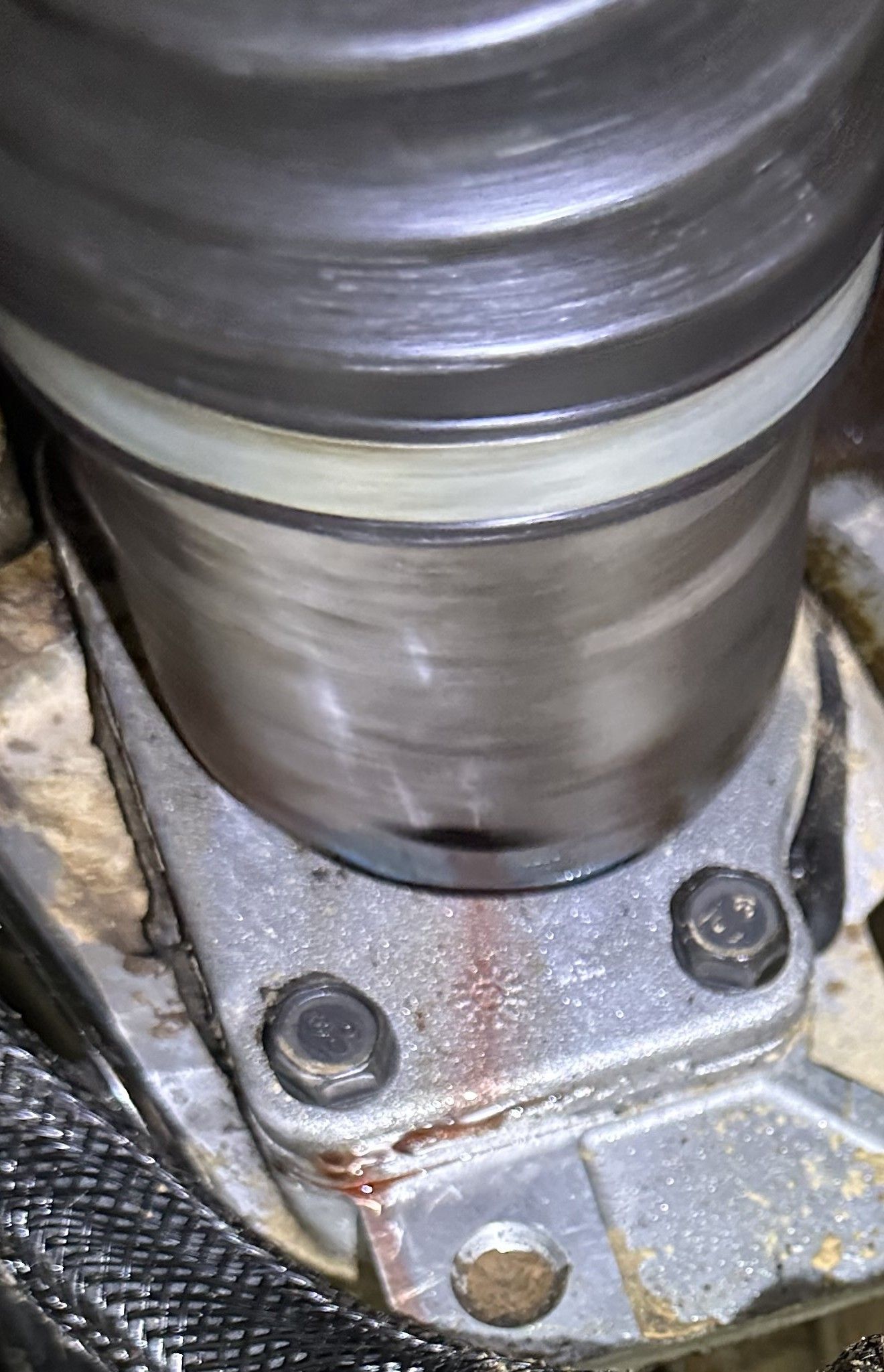
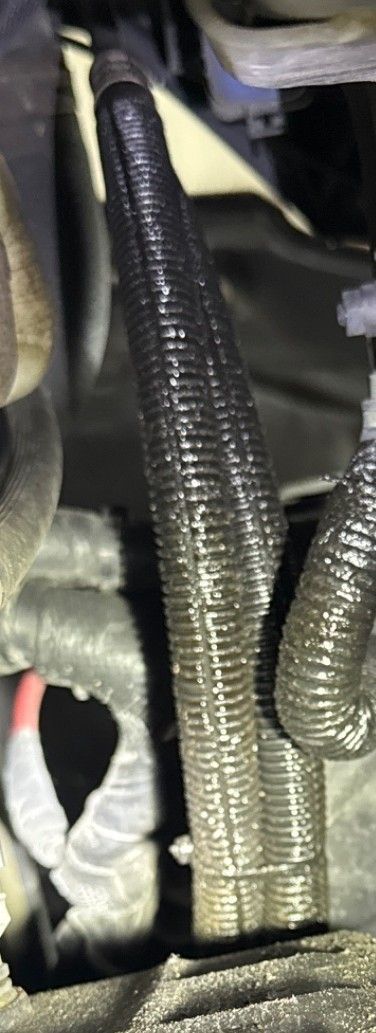
If you notice fluid underneath your vehicle, it's worth having the source identified.
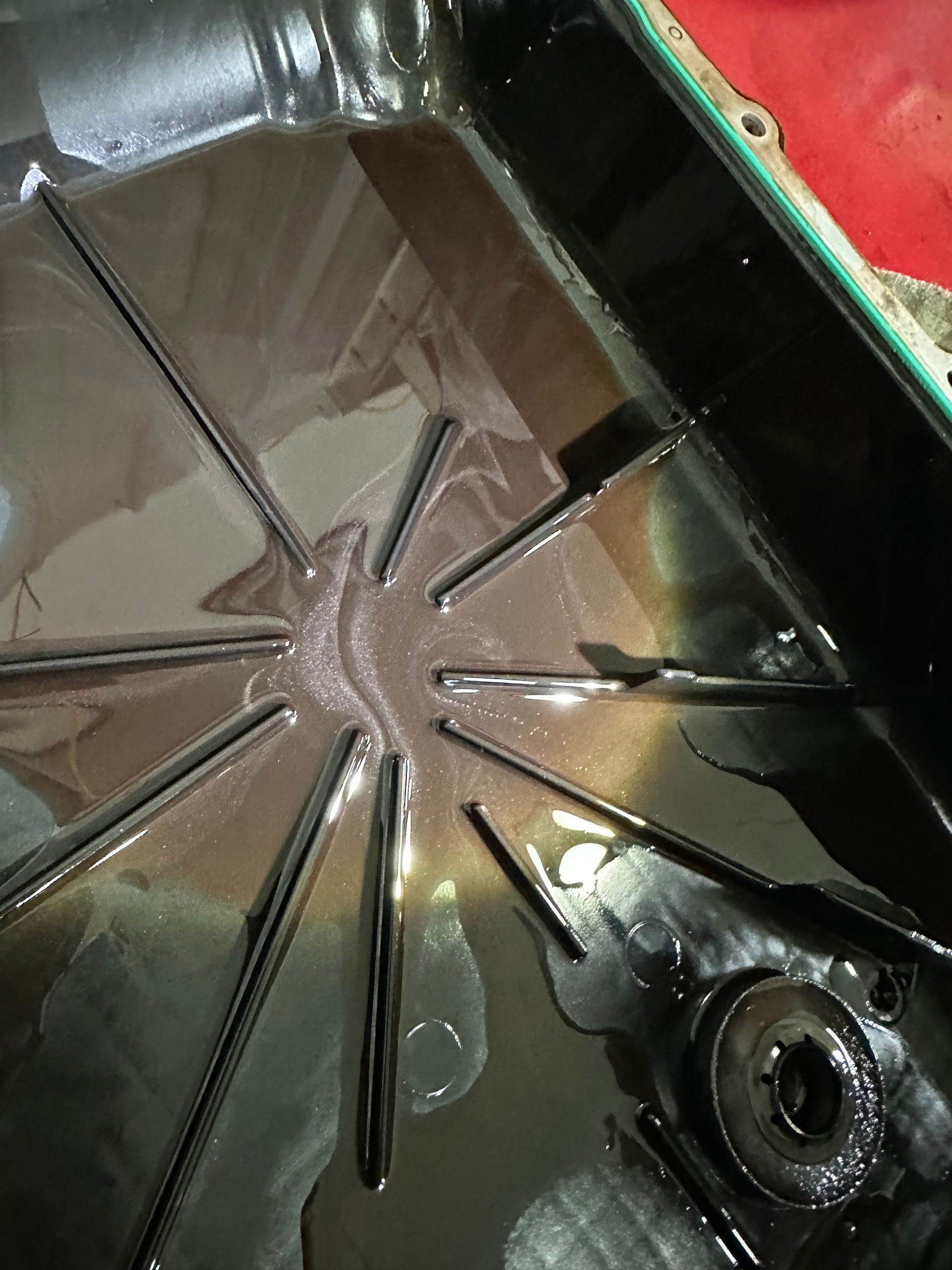
A small leak can eventually lower the fluid level enough to affect lubrication, cooling and hydraulic operation. Operating a transmission with an insufficient fluid level can lead to much more expensive problems.
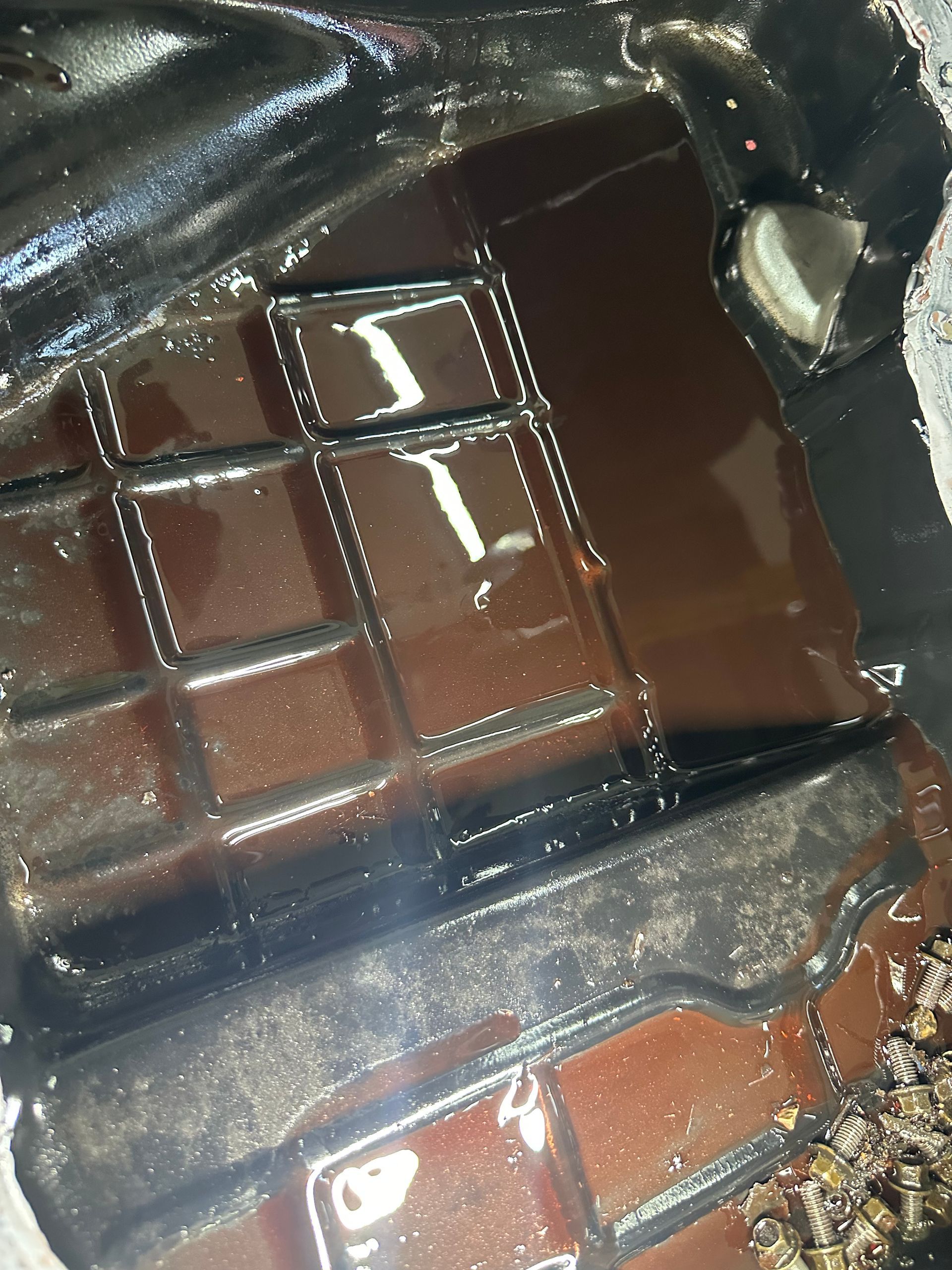
Don't rely entirely on fluid color to determine what's leaking. While many transmission fluids are red when new, different vehicles use different fluids, and the appearance of transmission fluid changes as it ages.
Finding and repairing a leak early may help prevent additional damage later.
5. Warning Lights or Transmission-Related Messages
A Check Engine light doesn't automatically mean you have an engine problem.
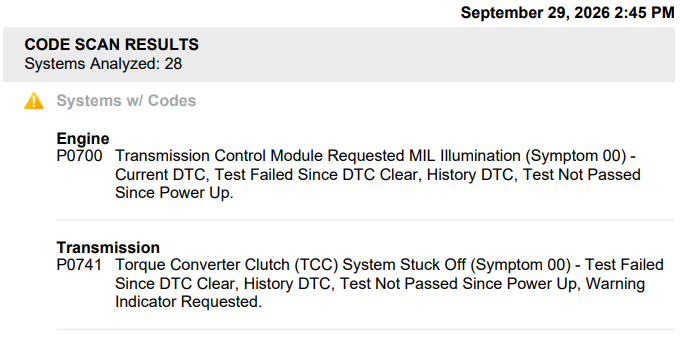
The computers in modern vehicles monitor many aspects of vehicle operation. When the system detects something outside the expected operating range, it may store a diagnostic trouble code and turn on the Check Engine light or display a related warning.
Those codes are extremely useful when diagnosing a vehicle, but there's an important distinction:
A trouble code is not a diagnosis.
A code tells the technician what the vehicle's computer detected. Additional testing is often necessary to determine why it happened and what actually needs to be repaired.
Simply replacing a component named in a trouble code can lead to unnecessary repairs without correcting the original problem.
Does One of These Signs Mean You Need a Transmission?
No.
That's probably the most important thing to take away from this article.
Slipping, delayed engagement, unusual shifting, leaks and warning lights tell us that something needs to be investigated. They don't tell us what the repair will be.
We've seen vehicles come into the shop with symptoms that appeared to be transmission problems but ultimately originated somewhere else on the vehicle.
We've also seen transmission problems where identifying the issue early helped prevent additional damage.
Depending on what we find, the appropriate repair could be something relatively minor, an electrical or external repair, a fluid leak, or an internal transmission problem requiring more extensive repair.
The purpose of diagnosis is to determine which one you're actually dealing with.
What Does a Transmission Diagnostic Evaluation Include?
At Tex's Auto Care, we believe in evaluating the problem before recommending a major repair.
Our Transmission Diagnostic Evaluation includes:
- Scanning the vehicle for diagnostic trouble codes
- Checking transmission fluid level and condition when applicable
- Inspecting for external leaks
- Road testing the vehicle when appropriate
- Performing a digital vehicle inspection
- Researching the findings and applicable service information
- Reporting what we find and recommending the appropriate next step
The goal isn't to assume that a vehicle needs a transmission.
The goal is to determine what's actually wrong.
When Should You Stop Driving?
Some transmission symptoms shouldn't be ignored.
If your vehicle suddenly loses the ability to move, severely slips, makes significant grinding or mechanical noises, rapidly loses fluid, or displays a transmission overheating or temperature warning, continuing to drive could cause additional damage.
In those situations, having the vehicle towed may be safer—and potentially less expensive—than trying to continue driving it.
If you're unsure whether the vehicle is safe to drive, ask before taking the chance.
Having Transmission Trouble?
If your vehicle is slipping, shifting differently, leaking fluid, displaying a warning light, or simply doesn't feel right, Tex's Auto Care in Lawrenceburg, Kentucky can help determine what's actually happening before recommending a repair.
Contact Tex's Auto Care to schedule a Transmission Diagnostic Evaluation.